
Ledger.com/Start® | Getting started®™ — Ledger Support
Ledger.com/start helps you begin wallet setup, connect your Ledger device, manage crypto accounts, check balances, and explore security guidance.
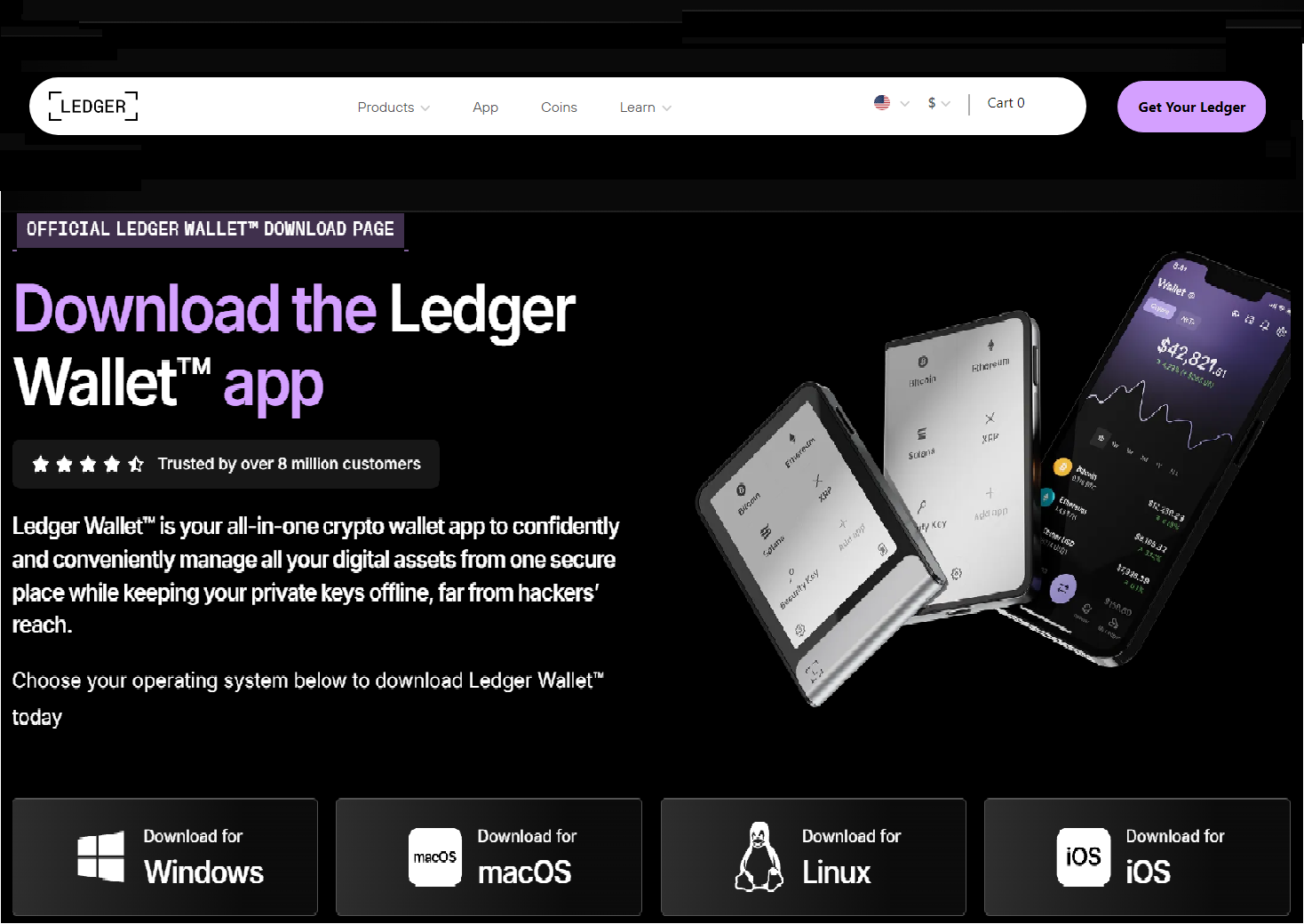
Ledger.com/start: A Simple Guide to Wallet Setup
Setting up a hardware wallet is an important first step toward managing digital assets with greater control. Ledger.com/start serves as a starting point for users who want to learn how to configure a Ledger device and begin using its supported wallet tools.
A careful setup involves more than connecting the device. Users should also understand software installation, wallet recovery, transaction verification, and basic security practices.
Begin With the Official Setup Source
Before installing anything, verify that you are using the legitimate Ledger website. Cryptocurrency users can encounter fake websites that imitate genuine wallet services, so checking the web address is an important first step.
Avoid downloading wallet software through unexpected emails, social media messages, or unfamiliar websites.
Connect Your Ledger Device
After accessing the appropriate setup resources, connect your Ledger hardware wallet and follow the instructions provided for your device.
During setup, pay attention to information displayed on the physical device. Important operations may require confirmation directly on the hardware wallet.
Do not approve a prompt automatically. Read the information first and make sure it matches your intended action.
Prepare Your Wallet Recovery Information
When setting up a new wallet, follow the device instructions for creating and securing your recovery information.
This information is extremely sensitive and should be kept private. Write it down as instructed and store it somewhere secure.
Never share recovery information with another person or enter it into an unfamiliar website. Someone claiming to provide wallet support should not need your private recovery information.
Use Ledger's Wallet Software
After the initial device configuration, compatible Ledger wallet software can provide an interface for managing supported crypto accounts.
Depending on the asset and account, users may be able to review balances, receive funds, prepare transactions, and monitor wallet activity.
Take some time to become familiar with the interface before moving significant funds.
Verify Transactions Carefully
Before sending cryptocurrency, review the destination address, amount, and relevant transaction information.
The hardware wallet provides an additional place to verify important details. Compare what appears on the Ledger device with what you intended to send before confirming the transaction.
If anything looks different, stop and investigate before approving it.
Avoid Common Wallet Scams
Be cautious of messages claiming that your Ledger account requires urgent verification or that your wallet must be restored through a supplied link.
Do not provide recovery information or private credentials in response to unsolicited requests. Instead, access official Ledger resources independently.
Frequently Asked Questions
What is Ledger.com/start?
It is a starting point for users who want to set up and learn about using a Ledger hardware wallet.
What should I check before installing wallet software?
Verify that you are using an authentic Ledger source and avoid unfamiliar download links.
Should I share my wallet recovery information?
No. Keep recovery information private and securely stored.
Why verify transactions on the Ledger device?
The hardware wallet provides an additional place to review important transaction details before approval.
What should I do if someone asks for my recovery information?
Do not provide it. Verify the request through official Ledger resources instead.
Updated about 7 hours ago