
Ledger.com/Start® | Getting started®™ — Ledger Support
Ledger.com/start helps you begin wallet setup, connect your Ledger device, manage crypto accounts, check balances, and explore security guidance.
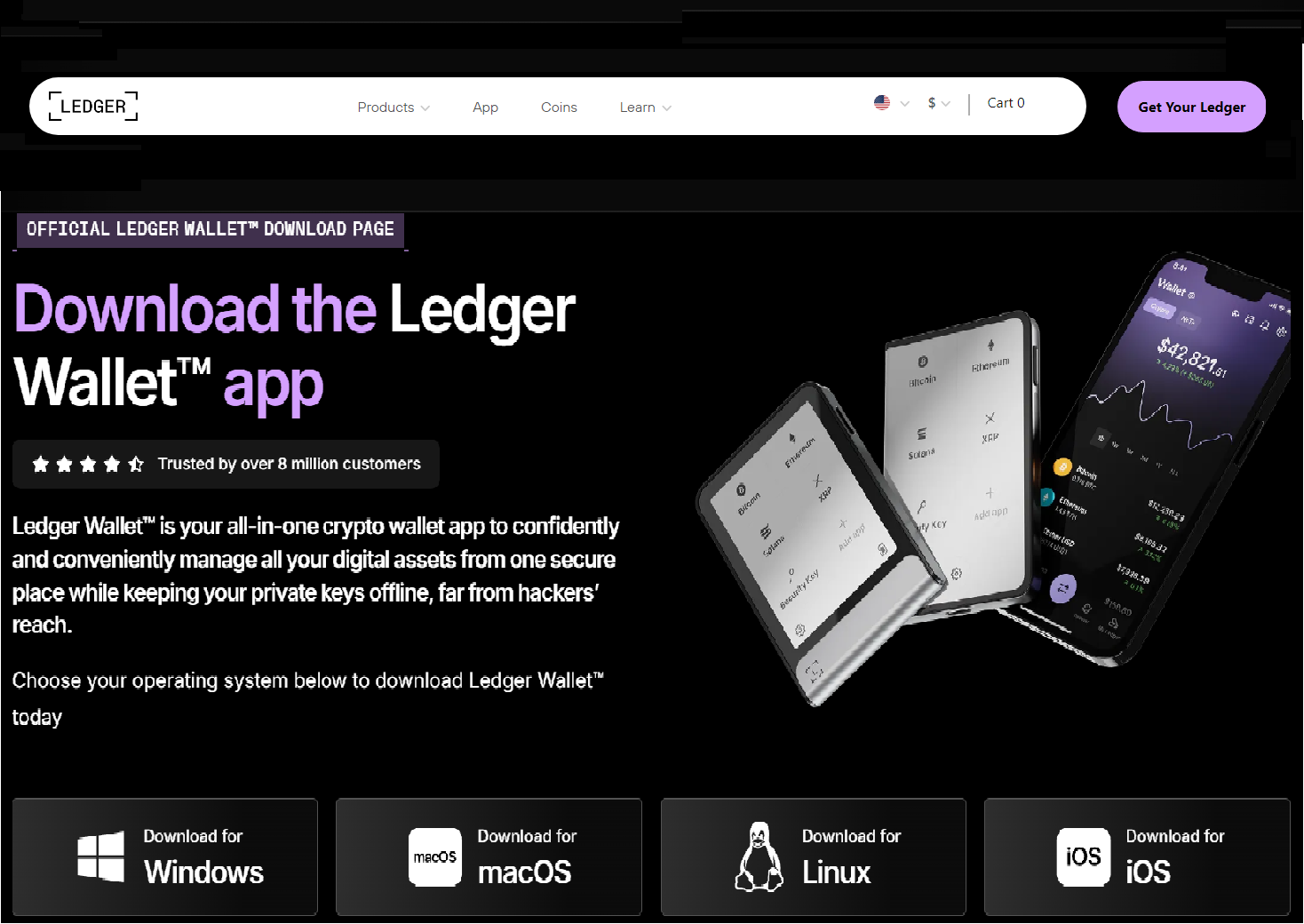
Ledger.com/start: Your Guide to a Well-Organized Wallet
A hardware wallet setup is easier to manage when the process is organized from the beginning. New users can benefit from understanding where to find trusted setup information, how to protect recovery details, and what to check before making crypto transactions. Ledger.com/start can serve as a starting point for building a structured approach to wallet management.
Create the Right Starting Point
Before setting up your wallet, prepare a trusted computer or mobile device and make sure you understand where your setup instructions originate.
Avoid relying on links sent through unexpected emails, private messages, or unfamiliar websites. If a page asks for unusual information, pause and verify its authenticity before continuing.
Starting carefully helps establish good security habits from the beginning.
Become Familiar With the Device
Take some time to understand the hardware wallet itself. Learn how it connects, how information is displayed, and when you may need to confirm an action directly on the device.
Do not approve an unfamiliar prompt simply because it appears during setup. Understanding each action is more useful than completing the process as quickly as possible.
Handle Recovery Details Responsibly
Recovery information deserves special protection because it can be closely connected to access to a self-custody wallet.
Keep these details private. Never send them through email or messaging applications, publish them online, or enter them into a website because an unknown person says they are needed.
A request for recovery information should always receive careful scrutiny.
Organize Your Accounts
After setup, explore the accounts available through your wallet software. Understand how balances, assets, and transaction records are displayed.
If you work with several cryptocurrencies, pay attention to the individual asset and network rather than relying on familiar names alone.
An organized wallet is easier to review and manage.
Check Details When Receiving Crypto
When preparing to receive funds, identify the correct account and verify its receiving address. Confirm the network associated with the transaction as well.
Avoid assuming that an address copied from a previous transfer is automatically appropriate for a new transaction.
Take Extra Care When Sending
Outgoing transactions deserve a deliberate review. Before confirming a transfer, compare the destination address, asset, network, amount, and other available transaction information with your original intention.
If anything appears different, stop and investigate.
Crypto transfers can be difficult or impossible to reverse after confirmation, so careful checking is worthwhile.
Stay Alert Around Support Requests
Fake support accounts can imitate legitimate companies and use convincing language. They may claim that your wallet needs verification or that a technical issue requires immediate action.
Do not provide confidential information or install software simply because someone claims to be support.
Access trusted support resources independently whenever you need assistance.
Keep Your Routine Consistent
A repeatable security routine can make wallet management easier. Before important actions, verify the source, identify the correct account, check the network, and review transaction information.
Consistency helps reduce the chance of making a decision based only on habit or urgency.
Conclusion
Ledger.com/start can introduce new users to the basics of hardware wallet setup and secure crypto management. A strong wallet routine involves more than connecting a device. It includes protecting recovery information, organizing accounts, checking transaction details, and remaining cautious around suspicious requests.
FAQs
What is a good way to prepare for wallet setup?
Use a trusted device, locate reliable setup information, and avoid unexpected links or unofficial instructions.
How should recovery information be handled?
Keep it private, secure, and inaccessible to unauthorized people.
What should I verify when receiving crypto?
Check the intended account, receiving address, asset, and relevant network.
Why should outgoing transactions be reviewed carefully?
A mistake in a blockchain transaction may be difficult or impossible to reverse.
How should I respond to unexpected wallet support messages?
Do not act immediately. Verify the message and support source independently before taking action.
Updated about 5 hours ago