
Ledger.com/Start® | Getting started®™ — Ledger Support
Visit Ledger.com/start to connect your Ledger hardware wallet and explore practical tools for monitoring portfolios, managing accounts, and handling crypto activity.
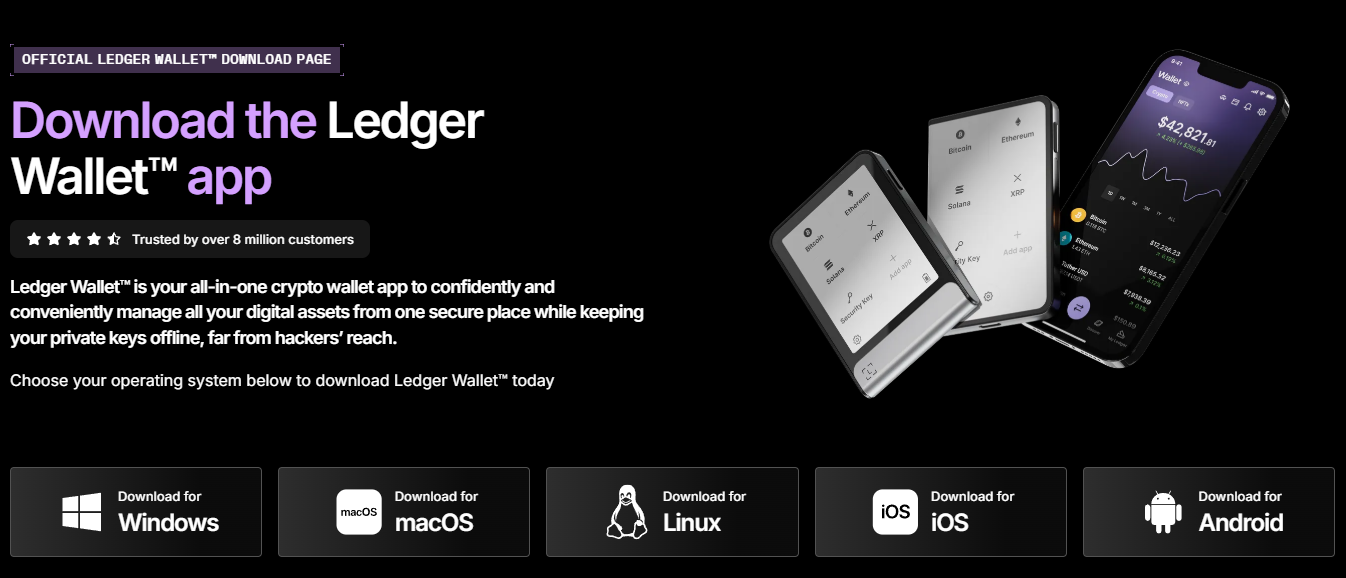
Ledger.com/start: Navigate Your First Wallet Setup
Getting started with a hardware wallet can feel unfamiliar when you are using one for the first time. The setup process becomes easier when you approach it in a clear order and pay attention to security at every stage. Ledger.com/start can serve as a starting point for learning about the setup process, preparing your device, and building good habits before managing crypto.
Begin With the Right Preparation
Before connecting your wallet, take a moment to prepare your workspace. Use a trusted computer or mobile device, make sure your software is up to date, and avoid clicking setup links received through unexpected emails, messages, or social media posts.
It is also useful to inspect your hardware wallet and its packaging. If anything appears unusual, pause the setup and seek information through official support channels rather than continuing immediately.
Follow the Device Setup Carefully
Hardware wallet setup generally involves connecting the device, creating or restoring an account according to the available options, and following instructions displayed by the wallet software and the device itself.
Do not rush through prompts simply to finish the process. Read each screen carefully and understand what you are confirming before moving forward.
Your device is designed to keep important wallet operations under your control. For that reason, actions requiring confirmation should be reviewed rather than automatically approved.
Treat Recovery Information as Private
Recovery information is one of the most important parts of a self-custody wallet. It should never be posted online, entered into random websites, sent to another person, or stored in an easily accessible digital location.
Someone who obtains this information may potentially gain access to the assets associated with the wallet. A legitimate support representative should not need you to disclose your recovery information.
Create a simple rule from day one: never share your recovery information.
Learn the Wallet Before Moving Funds
Once your setup is complete, explore the available wallet functions before making a large transaction. Become familiar with your account balances, supported assets, transaction history, receiving addresses, and sending screens.
Understanding the interface first can reduce mistakes later.
When receiving crypto, check that the selected network and address are appropriate for the asset. When sending, carefully review the destination and amount before confirming.
Verify Transactions Before Approval
Transaction details deserve special attention. A crypto transfer can have serious consequences if the destination address or network is incorrect.
Before approving a transaction, compare the important details shown to you with what you intended to send. If something looks different or unexpected, stop and investigate rather than approving immediately.
This habit is particularly useful when copying addresses or interacting with unfamiliar applications.
Recognize Common Security Traps
Scammers may imitate wallet brands, support agents, websites, or software downloads. Warning signs can include urgent requests, unexpected messages, requests for recovery information, suspicious downloads, and promises of account recovery in exchange for sensitive information.
If a message creates pressure to act immediately, slow down and verify the source independently.
Create a Routine for Everyday Use
Good wallet security is not limited to the initial setup. Keep your device protected, install software only from trusted sources, review transactions carefully, and regularly check that your wallet environment remains secure.
A consistent routine makes security easier to maintain because you do not have to remember everything from scratch each time you use the wallet.
Final Thoughts
Ledger.com/start can be a useful starting point for users learning how to approach hardware wallet setup. The most important part is not simply completing the setup—it is understanding how to protect recovery information, verify transactions, recognize scams, and manage crypto carefully afterward.
FAQs
Is Ledger.com/start useful for new wallet users?
It can help users begin learning about the wallet setup process and related security considerations.
Should recovery information be shared with support?
No. Keep recovery information private and do not disclose it to people contacting you unexpectedly.
What should I check before sending crypto?
Review the destination address, amount, network, and transaction details before approving the transfer.
Can I use any website offering wallet support?
Use trusted official sources and avoid suspicious links or unofficial support accounts.
Why should I verify transactions on the device?
Reviewing transaction details before approval provides an additional opportunity to catch mistakes or unexpected changes.
Updated about 5 hours ago